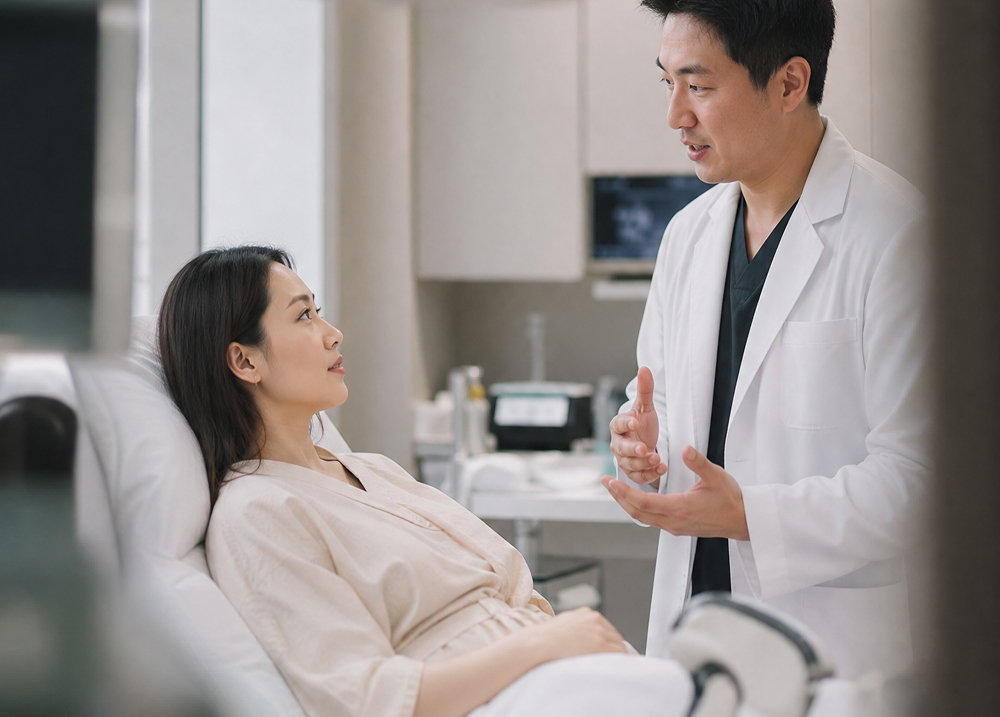
Female fertility evaluation assesses the health and proper function of the uterus, fallopian tubes, and reproductive hormones, all of which play a vital role in conception. Any abnormalities affecting these reproductive organs or hormonal function may contribute to female infertility.
Conditions such as polycystic ovary syndrome (PCOS) and thyroid problems can interface with the hormonal regulation needed for ovulation.
This can be caused by pelvic inflammatory disease (PID), endometriosis, or previous surgeries.
This condition involves the growth of uterine tissue outside the uterus, which can cause inflammation and scarring and affect fertility.
These can include fibroids, polyps, or structural issues that affect embryo implantation.
Also known as premature ovarian failure, where the ovaries stop functioning normally before the age of 40.
Poor diet, high stress levels, obesity, smoking, and excessive alcohol use can negatively impact female fertility.
Hormonal testing will be done through blood tests to measure levels of hormones such as FSH, LH, estradiol, and thyroid hormones. These tests help in understanding the hormonal balance and ovarian function. A pelvic ultrasound will examine the ovaries and uterus to check for conditions like PCOS, fibroids, or ovarian cysts.
Procedures such as a Hysterosalpingography (HSG) X-ray test may be conducted to check for blockages in the fallopian tubes and evaluate the shape of the uterine cavity. Additionally, ovarian reserve testing such as anti-Müllerian Hormone (AMH) levels and antral follicle count (AFC) may be needed to assess the quantity of eggs remaining in the ovaries.
หากพยายามตั้งครรภ์ด้วยการมีเพศสัมพันธ์สม่ำเสมอ 2-3 ครั้งต่อสัปดาห์นานกว่า 1 ปีแล้วยังไม่สำเร็จ ควรปรึกษาแพทย์ นอกจากนี้หากอายุมากกว่า 30 ปี หรือมีประจำเดือนผิดปกติสามารถเข้าปรึกษาได้ทันทีโดยไม่ต้องรอครบ 1 ปี