

The ticking biological clock is a reality for many women. Careers, personal goals, and finding the right partner are just a few reasons people might decide to wait before starting a family. With age, the quantity and quality of a woman’s eggs decline, potentially making it more challenging to conceive later in life. This is where egg freezing comes into play — a revolutionary advancement in reproductive technology offering women unprecedented control over their fertility.
Egg freezing, or oocyte cryopreservation, allows women to preserve their eggs at a younger age when they are most viable. This technique involves extracting a woman’s eggs, freezing them, and storing them until she is ready to conceive. Egg freezing programs have become increasingly popular and accessible, offering a viable solution for those who want to extend their fertility window.
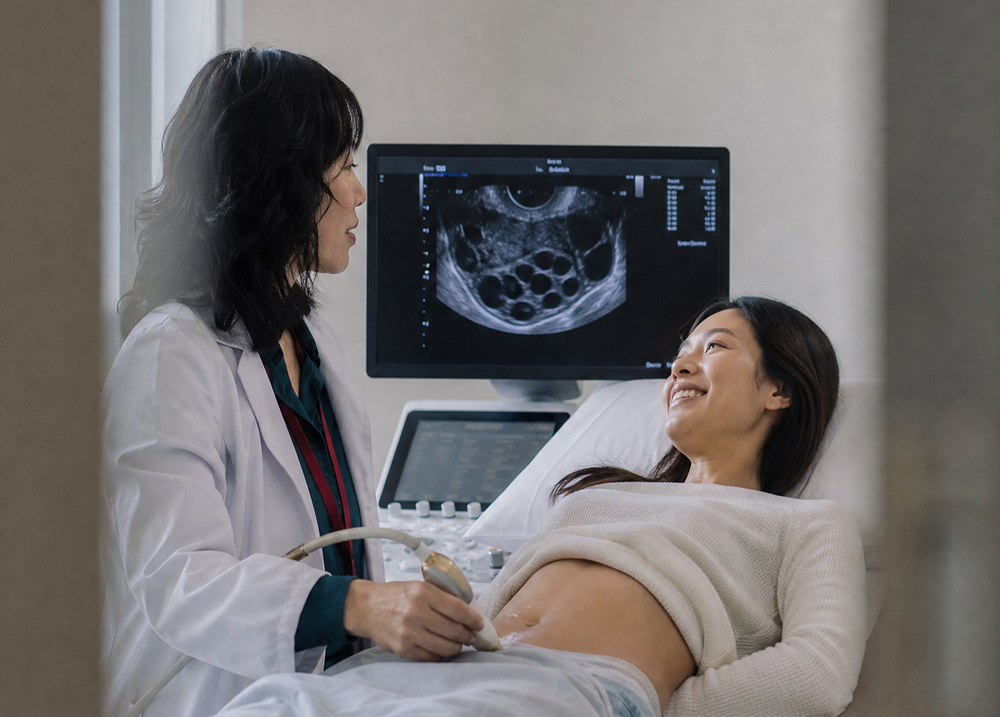
The journey begins with an initial consultation with a fertility specialist. During this visit, the doctor will discuss the woman’s medical history, conduct a physical examination, and perform a series of fertility tests. These tests typically include blood tests to measure hormone levels and an ultrasound to assess the health and reserve of the ovaries.
The next step involves stimulating the ovaries to produce multiple eggs. This is achieved through daily hormone injections over a period of 10-14 days. These hormones mimic the natural menstrual cycle but in a more concentrated manner, encouraging the ovaries to produce more eggs than usual.
Throughout the stimulation phase, the woman will have several monitoring appointments. These appointments include blood tests and ultrasounds to track the development of the follicles—the fluid-filled sacs in the ovaries that contain the eggs. The doctor uses this information to adjust medication dosages and determine the optimal time for egg retrieval.
When the eggs are deemed mature, the retrieval process is scheduled. This procedure is performed under sedation and takes about 20-30 minutes. Using ultrasound guidance, a thin needle is inserted through the vaginal wall into the ovaries to collect the eggs. Most women experience mild cramping and discomfort afterwards but can typically resume normal activities within a day or two.
Once retrieved, the eggs are assessed for maturity and quality. Mature eggs are then frozen using a method called vitrification. This rapid freezing process prevents the formation of ice crystals, which can damage the eggs. The frozen eggs are then stored in a cryogenic facility until the woman decides to use them.
When a woman decides to use her frozen eggs, the process involves thawing the eggs, fertilizing them with sperm through in vitro fertilization (IVF), and then transferring the resulting embryos into the uterus. The steps include:
The frozen eggs are carefully thawed and assessed for viability. They are then fertilized with sperm using a process called intracytoplasmic sperm injection (ICSI), where a single sperm is injected directly into each egg.
The fertilized eggs, now embryos, are cultured in the lab for 5-7 days. During this time, they are monitored for development and growth.
Once the embryos reach an optimal stage, one or more are selected for transfer into the woman’s uterus. This is a straightforward procedure that does not require anesthesia. The remaining embryos can be frozen for future use.
About two weeks after the embryo transfer, a pregnancy test is conducted to determine if the procedure was successful.
Here are some candidates who might benefit from the egg freezing program
Egg freezing offers numerous benefits, making it an attractive option for many women:
While egg freezing is a promising technology, it is important to consider the potential risks and limitations:
There are several reasons, including delaying motherhood, medical reasons (like cancer treatment), and social reasons (like being in a same-sex relationship or single).
The process involves ovarian stimulation with hormones, egg retrieval, freezing the eggs, and storing them.
The egg retrieval process requires a minor surgical procedure performed under anesthesia, so there’s minimal discomfort.
Eggs can be frozen indefinitely, depending on the circumstances.
Success rates vary depending on factors like age, number of eggs frozen, and overall health. Younger women tend to have higher success rates.
The number of eggs needed depends on individual factors and your desired family size. A fertility specialist can provide personalized guidance.
Yes, you can undergo multiple egg freezing cycles to increase your chances of success.
You can choose to thaw and use your eggs when you’re ready or donate them.
The cost varies based on factors like the clinic, number of cycles, and storage fees. It’s essential to consider the total cost, including medication, procedures, and storage
Insurance coverage for egg freezing varies widely by location and plan. Some plans cover specific medical conditions, while others may not cover it at all.
The decision to freeze eggs can be emotionally complex. It’s essential to discuss your feelings with a partner, friend, or therapist. At VFC Center, we also offer consultation for our patients.
While egg freezing increases the chances of pregnancy, it doesn’t guarantee it.